
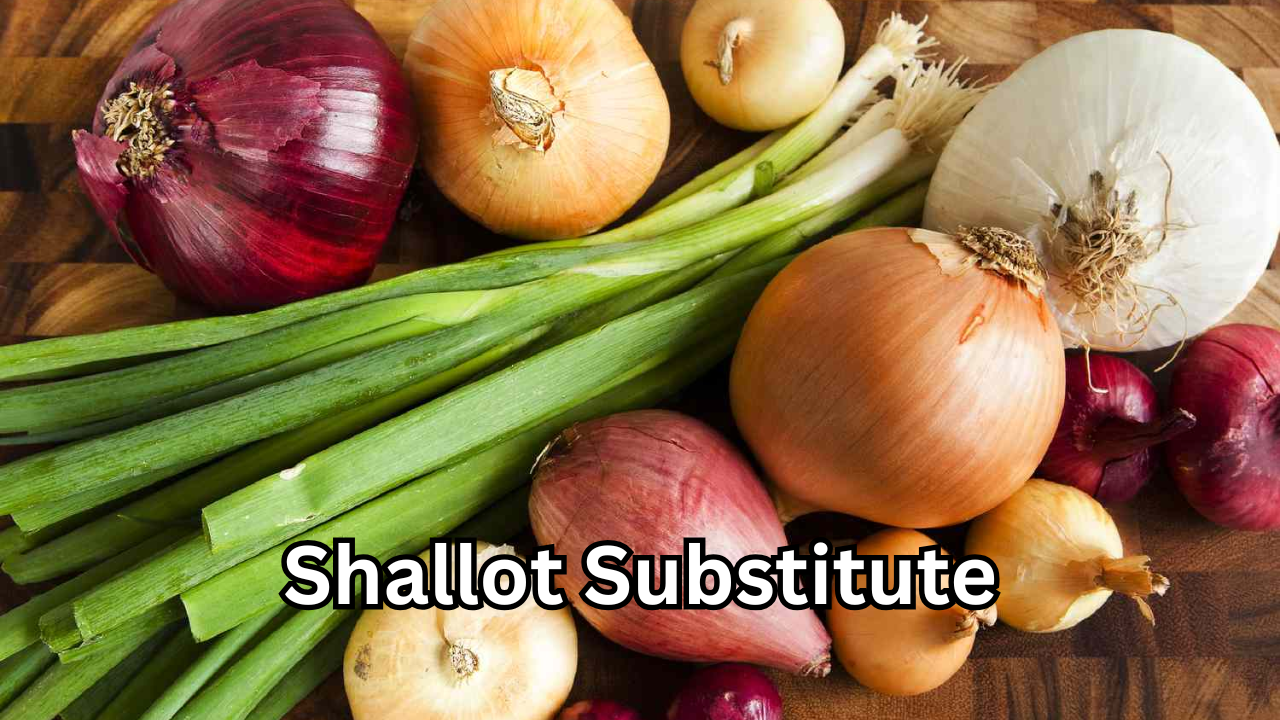
Shallot Substitute – Shallots are a favorite ingredient in many kitchens around the world. Their delicate flavor sits somewhere between onions and garlic, making them perfect for sauces, salad dressings, stir-fries, soups, and gourmet dishes. But what happens when a recipe calls for shallots and you don’t have any on hand?
If you’re searching for the best shallot substitute, you’re not alone. Many home cooks and professional chefs regularly look for alternatives that deliver similar taste and texture. The good news is that several common ingredients can replace shallots without ruining your recipe.
In this detailed guide, you’ll discover exactly what makes shallots special, how to substitute them correctly, and which alternatives work best for different types of cooking.
What Are Shallots and Why Are They Used?
Shallots belong to the allium family, which includes onions, garlic, leeks, and chives. They look like small elongated onions with copper-colored skin and pale purple flesh inside.
What makes shallots unique is their mild, slightly sweet flavor with a hint of garlic. Unlike regular onions, they’re less sharp and more refined, especially when eaten raw. This is why shallots are often used in vinaigrettes, French cuisine, and delicate sauces.
They also caramelize beautifully, adding depth without overpowering other ingredients.
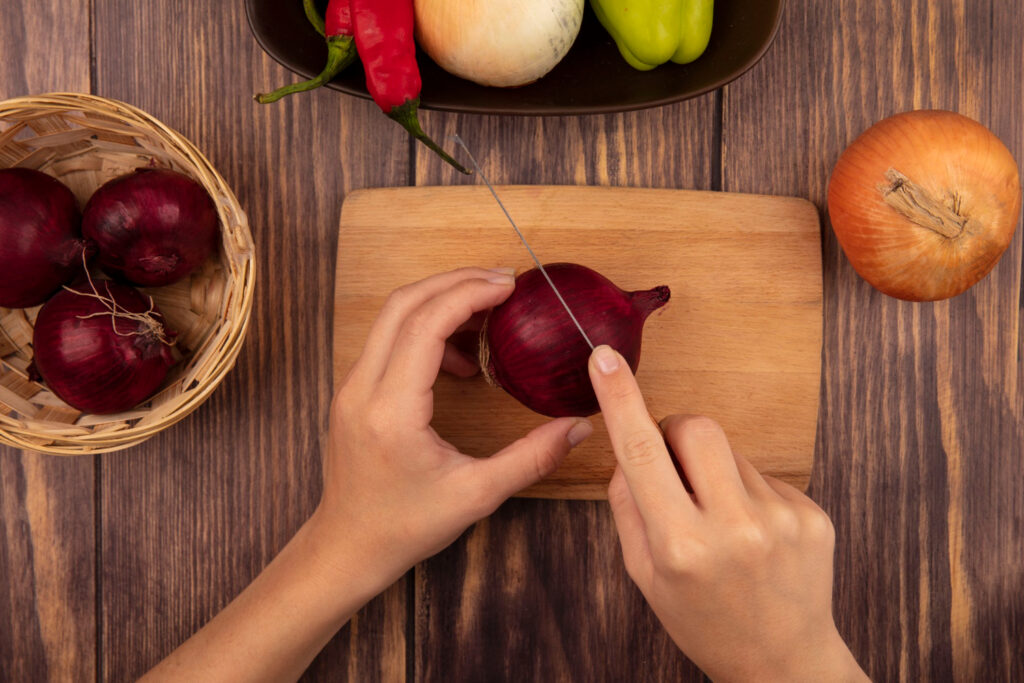
Understanding Shallot Flavor Before Choosing a Substitute
Before picking a shallot substitute, it helps to understand their flavor profile:
- Mild onion taste
- Subtle garlic notes
- Slight sweetness
- Soft texture when cooked
A good replacement should mimic at least one or two of these qualities. Some substitutes provide onion flavor, while others bring garlic-like sharpness. Combining ingredients can sometimes give the closest match.
Best Shallot Substitute Options
Let’s explore the most reliable shallot alternatives and when to use each one.
Yellow Onion
Yellow onions are the most common and practical shallot substitute.
They have a stronger flavor than shallots but become sweeter when cooked. For most recipes, especially soups, sautés, and roasted dishes, yellow onions work extremely well.
Use about half the amount of yellow onion compared to shallots, since onions are more pungent.
Best for:
- Cooked dishes
- Gravies and sauces
- Stir-fries
- Roasted meals
Red Onion
Red onions are milder than yellow onions and closer in sweetness to shallots. They’re also great when used raw.
If your recipe calls for raw shallots in salads or dressings, finely chopped red onion is an excellent replacement.
Use slightly less red onion than shallots to avoid overpowering the dish.
Best for:
- Salads
- Salsas
- Sandwiches
- Cold sauces
White Onion
White onions have a sharper bite but work well in cooked recipes. They’re commonly used in Mexican and Asian cooking and can replace shallots in soups, curries, and sautéed dishes.
Because white onions are stronger, reduce the quantity and cook them well to soften their flavor.
Garlic
Garlic alone isn’t a perfect match, but it provides the savory element found in shallots.
If you’re making a dish where garlic flavor is welcome, such as pasta or marinades, one clove of garlic can replace one small shallot. For better balance, combine garlic with onion.
Best for:
- Pasta sauces
- Marinades
- Roasted dishes
Onion and Garlic Combination
This is one of the closest homemade shallot substitutes.
Mix finely chopped onion with a small amount of garlic to recreate the mild onion-garlic flavor of shallots. This blend works beautifully in both cooked and raw recipes.
A good ratio is:
- Two tablespoons onion
- Half a garlic clove
This combination gives depth without overpowering your dish.
Green Onions (Scallions)
Green onions offer a gentle onion taste and work well as a shallot substitute in lighter dishes.
Use both the white and green parts for maximum flavor. They’re ideal for garnishing, stir-fries, and egg dishes.
Best for:
- Omelets
- Fried rice
- Soups
- Fresh toppings
Leeks
Leeks have a mild, sweet onion flavor similar to shallots, especially when cooked.
Use only the white and light green parts, and chop finely. Leeks are excellent in creamy soups, stews, and slow-cooked meals.
Pearl Onions
Pearl onions are small, mild, and slightly sweet, making them a decent replacement for shallots in elegant dishes.
They require peeling but work nicely in braises, roasts, and glazed recipes.
Chives
Chives don’t replace shallots completely, but they’re great for adding a subtle onion note as a finishing touch.
They’re best used raw as a garnish rather than cooked.
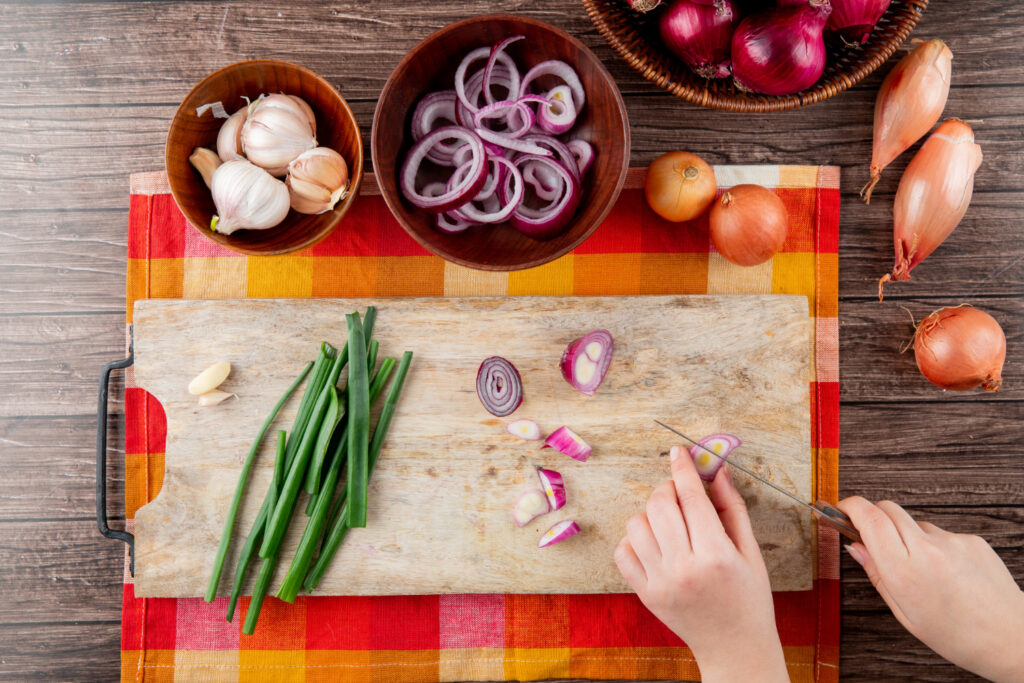
How to Substitute Shallots in Different Recipes
Different dishes need different approaches. Here’s how to choose the right substitute based on your cooking style.
For Raw Recipes
When shallots are used raw in salad dressings or salsas, choose mild substitutes like red onion or green onions. Chop them finely and use smaller amounts to avoid harsh flavors.
For Cooked Recipes
Yellow onions, white onions, leeks, or onion-garlic combinations work best when heat is involved. Cooking mellows their sharpness and brings out sweetness similar to shallots.
For Gourmet Sauces
Use finely minced red onion mixed with garlic for pan sauces and vinaigrettes. This keeps the flavor delicate while adding depth.
Substitution Ratio Guide
While exact amounts depend on taste, here’s a general guideline:
- One medium shallot equals about two tablespoons chopped onion
- Use half the amount of onion compared to shallots
- One garlic clove replaces one small shallot in garlic-forward dishes
Always taste as you go and adjust.
Can You Skip Shallots Entirely?
Yes — many recipes work perfectly without shallots. They enhance flavor but aren’t essential. With the substitutes listed above, you can still achieve delicious results even if your pantry is empty.
Cooking is flexible, and experimenting with flavors often leads to new favorites.
Common Mistakes When Replacing Shallots
Avoid these errors for best results:
- Using too much onion, making dishes overly sharp
- Skipping garlic when the recipe needs depth
- Not cooking substitutes long enough
- Forgetting to taste and adjust seasoning
Small adjustments make a big difference.
Final Thoughts on Choosing the Best Shallot Substitute
Finding the right shallot substitute depends on your recipe and personal taste. Yellow onions are the easiest replacement for cooked dishes, while red onions shine in raw preparations. For the closest match, combine onion and garlic.
With these options, you’ll never have to stop cooking just because you’re out of shallots.
Whether you’re preparing a simple home meal or a gourmet recipe, these substitutes ensure your dish stays flavorful, balanced, and satisfying.
Also Read: Tubehalote: Complete Guide to Features, Uses, Safety, and Best Alternatives in 2026
About the Author






1 thought on “Shallot Substitute: The Ultimate Guide to the Best Alternatives for Every Recipe”