
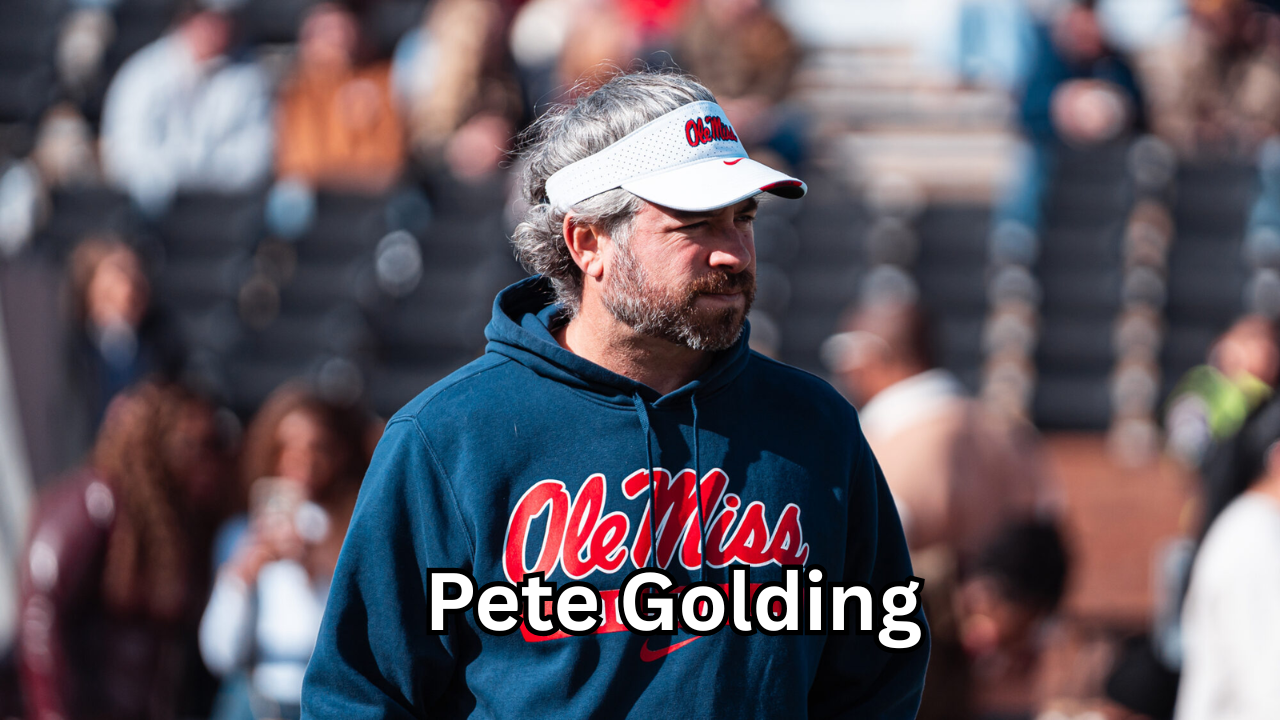
Pete Golding has become one of the most recognizable names in college football coaching over the past decade. Known for his defensive expertise, high football IQ, and ability to develop elite-level talent, Pete Golding has built a reputation as a strategist who thrives under pressure. From his early coaching days to leading top-tier defenses in the Southeastern Conference (SEC), his journey reflects determination, adaptability, and a deep understanding of the modern game.
In this in-depth article, we explore Pete Golding’s background, coaching career, defensive philosophy, major achievements, challenges, and the lasting impact he continues to have on college football.
Early Life and Background of Pete Golding
Pete Golding was born on February 8, 1984, in Hammond, Louisiana. Growing up in the South, he developed a strong passion for football at a young age. His early exposure to the competitive culture of Southern football played a significant role in shaping his future career path.
Golding attended Delta State University, where he played as a defensive back. His experience as a player helped him understand the intricacies of defensive schemes and player development. While he may not have been a nationally famous athlete during his playing days, his football intelligence and leadership skills were evident early on.
After completing his college career, Golding quickly transitioned into coaching, where he would begin building the foundation of what would become a remarkable career.
The Beginning of Pete Golding’s Coaching Career
Pete Golding started his coaching journey at Delta State as a graduate assistant. This role allowed him to learn the behind-the-scenes aspects of program management, defensive game planning, and player mentorship.
He later served as a defensive coordinator at Southeastern Louisiana and then at Delta State. His time at Delta State was especially impressive. In 2014, Golding helped lead Delta State to the NCAA Division II National Championship game. His defensive unit ranked among the best in the country, showcasing his ability to design effective defensive systems.
This success at the Division II level began attracting attention from larger programs, and it was only a matter of time before he made the leap to the Football Bowl Subdivision (FBS).

Rise to National Attention at Alabama
One of the most significant turning points in Pete Golding’s career came when he joined the University of Alabama coaching staff under legendary head coach Nick Saban.
Golding joined Alabama in 2018 as co-defensive coordinator and inside linebackers coach. In 2019, he was promoted to full-time defensive coordinator. Coaching under Nick Saban is both an opportunity and a challenge. Expectations at Alabama are incredibly high, and every coordinator is under constant scrutiny.
During his time as Alabama’s defensive coordinator, Pete Golding helped guide the Crimson Tide to multiple College Football Playoff appearances. In 2020, Alabama won the National Championship, and Golding’s defense played a crucial role in that historic season.
Despite facing criticism at times from fans and analysts—something common for any Alabama coordinator—Golding consistently produced strong defensive performances against top-tier competition in the SEC.
Pete Golding’s Defensive Philosophy
Pete Golding is known for implementing an aggressive, multiple defensive scheme. His philosophy focuses on versatility, speed, and adaptability. Rather than sticking rigidly to one formation, Golding’s defenses are designed to adjust based on the opponent.
Key elements of Pete Golding’s defensive strategy include:
- Multiple front alignments to confuse offensive lines
- Creative blitz packages
- Strong emphasis on linebacker development
- Focus on situational football, especially third downs
- Emphasis on red-zone defense
Golding understands that modern college football offenses are fast, dynamic, and pass-heavy. His schemes often aim to disrupt timing, force turnovers, and create negative plays. His ability to adjust mid-game has been praised by many within coaching circles.
Transition to Ole Miss
In 2023, Pete Golding accepted the defensive coordinator position at the University of Mississippi (Ole Miss) under head coach Lane Kiffin. This move marked a fresh chapter in his coaching career.
At Ole Miss, Golding was tasked with strengthening a defense that had shown inconsistency in previous seasons. The SEC remains one of the toughest conferences in college football, and improving defensive performance is essential for championship contention.
Under Golding’s leadership, Ole Miss focused on increasing defensive discipline, improving tackling efficiency, and generating more turnovers. His presence added credibility and structure to the Rebels’ defensive unit.
The transition also allowed Golding to step into a role where he could further shape the defensive identity of a rising program.
Recruiting and Player Development
One of Pete Golding’s greatest strengths is his ability to recruit and develop talent. While serving at Alabama, he worked with several elite linebackers and defensive players who went on to play in the NFL.
His coaching style emphasizes:
- Detailed film study
- Accountability
- Clear communication
- Technical fundamentals
- Mental preparation
Golding’s players often speak about his teaching ability and football knowledge. He focuses not just on athletic ability but also on understanding the game mentally. This approach helps players anticipate plays and make smarter decisions on the field.
Recruiting in the SEC requires building strong relationships with high school coaches and prospects. Golding has proven capable of connecting with recruits and selling a clear defensive vision.
Challenges and Criticism
Like any high-profile coach, Pete Golding has faced criticism during his career. Coaching at Alabama meant that even minor defensive struggles could become major headlines.
Some critics questioned consistency during certain seasons, particularly when Alabama faced high-powered offenses. However, it’s important to note that the landscape of college football has shifted significantly in recent years, with offenses gaining more advantages due to rule changes and evolving strategies.
Despite external criticism, Golding maintained professionalism and continued focusing on player development and scheme improvement. His ability to remain composed under pressure demonstrates strong leadership qualities.
Pete Golding’s Impact on Modern College Defense
Pete Golding represents a new generation of college football defensive coordinators. He blends traditional defensive principles with modern analytical approaches.
His impact can be seen in several areas:
- Increased emphasis on hybrid defenders who can cover and rush
- Greater defensive flexibility
- Creative use of linebackers in pass coverage
- Situational game-planning tailored to opponent strengths
In today’s era of spread offenses and tempo-based attacks, defensive coordinators must innovate constantly. Golding’s willingness to adapt has kept him relevant in one of the most competitive conferences in the country.
Leadership Style and Personality
Pete Golding is known for being detail-oriented and intensely focused. While not always the most publicly outspoken coach, he commands respect within the locker room.
His leadership approach includes:
- High expectations for discipline
- Clear defensive communication
- Accountability for mistakes
- Encouraging mental toughness
Players often describe him as demanding but fair. His emphasis on preparation ensures that athletes understand both their responsibilities and the overall defensive structure.
Coaches who work alongside Golding frequently highlight his football intelligence and work ethic. These qualities have helped him maintain longevity in a highly competitive profession.

Future Outlook for Pete Golding
The future looks promising for Pete Golding. As he continues building his résumé in the SEC, opportunities may arise for expanded roles, including potential head coaching positions.
His experience at Alabama, combined with his leadership role at Ole Miss, gives him a well-rounded background. Programs seeking a defensive-minded leader may view Golding as a strong candidate in the coming years.
Whether he remains a top defensive coordinator or eventually becomes a head coach, his influence on college football strategy is likely to continue growing.
Why Pete Golding Matters in College Football
Pete Golding’s career reflects the evolving nature of college football coaching. From Division II beginnings to national championship success, his journey demonstrates persistence and strategic growth.
He has proven capable of:
- Competing at the highest level of the SEC
- Adjusting to modern offensive trends
- Developing NFL-caliber talent
- Handling the pressure of elite programs
In a sport where defensive coordinators often become scapegoats for losses, Golding has maintained a steady path forward. His adaptability and commitment to improvement define his coaching identity.
Conclusion
Pete Golding stands as one of the most intriguing defensive minds in college football today. His rise from small-school coaching positions to leading SEC defenses showcases both ambition and expertise. Through national championship success at Alabama and a fresh start at Ole Miss, he continues to shape defensive football at the highest level.
As the college football landscape evolves, coaches like Pete Golding—who blend traditional fundamentals with modern innovation—will play a critical role in defining the future of the game. Whether you are a passionate college football fan, an aspiring coach, or someone researching influential sports figures, Pete Golding’s story offers valuable insight into leadership, resilience, and strategic excellence in one of America’s most competitive sports arenas.
Also Read: Luxury Villas Greece Le Collectionist: The Ultimate Guide to Elite Mediterranean Escapes
About the Author




1 thought on “Pete Golding: Career Journey, Coaching Philosophy, and Impact on College Football”
Comments are closed.