
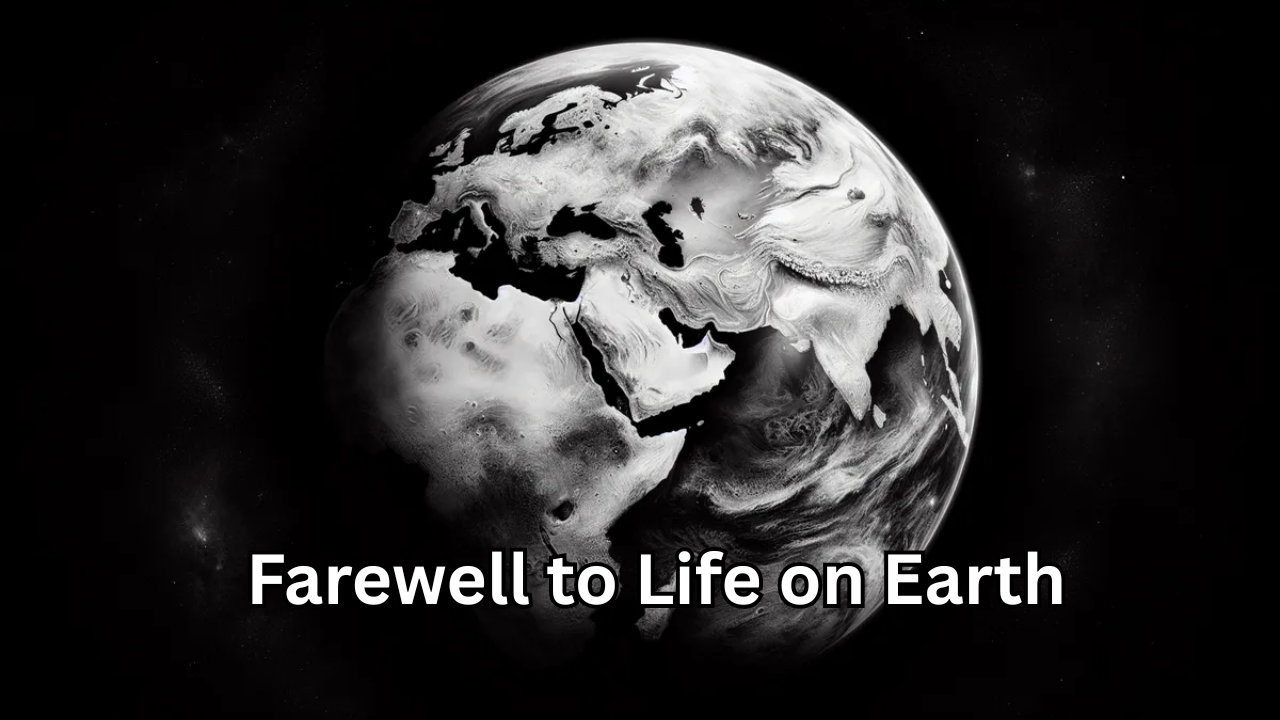
The phrase farewell to life on earth carries a powerful emotional weight. It evokes images of a silent planet, abandoned cities, and fading ecosystems. While it may sound like science fiction, this idea is increasingly discussed in scientific, philosophical, and environmental circles as humanity faces climate change, biodiversity loss, and technological uncertainty.
This article explores what “farewell to life on earth” truly means, why people are searching for it, and how it reflects our collective fears, hopes, and responsibility toward the planet we call home.
Understanding the Meaning Behind “Farewell to Life on Earth”
At its core, farewell to life on earth symbolizes humanity’s growing awareness that our planet is fragile. It does not always imply immediate extinction. Instead, it often represents:
- Environmental collapse
- Climate-driven disasters
- Loss of wildlife and natural habitats
- Potential future migration to other planets
- Existential questions about human survival
For many, the phrase reflects anxiety about the future. For others, it is a call to action — a reminder that Earth’s well-being depends on human choices made today.
Why This Topic Is Gaining Global Attention
Over the past decade, concerns about Earth’s future have intensified. Rising temperatures, melting ice caps, massive wildfires, and record-breaking storms dominate news headlines. Scientists warn that we are entering a critical phase where irreversible damage may occur if action is delayed.
Social media, documentaries, and space exploration news have also amplified discussions about humanity’s long-term survival. When people search for “farewell to life on earth,” they are often seeking clarity, meaning, or understanding in an uncertain world.
This growing interest reflects a deeper cultural shift — people are questioning whether modern civilization is sustainable.

Climate Change and the Fragile Balance of Life
Climate change stands at the center of the farewell narrative. Earth’s climate system has maintained life for millions of years, but human activity has disrupted this balance.
Burning fossil fuels, deforestation, and industrial pollution have increased greenhouse gases, trapping heat in the atmosphere. The consequences include:
- Rising sea levels threatening coastal cities
- Extreme heatwaves impacting agriculture and health
- Ocean acidification harming marine ecosystems
- Changing rainfall patterns causing droughts and floods
These changes directly affect food security, water availability, and global stability. For many scientists, climate change represents the most serious threat to life on Earth in modern history.
The Silent Crisis: Biodiversity Loss
Beyond climate change, biodiversity loss is another alarming factor. Earth is currently experiencing what experts call the sixth mass extinction.
Thousands of species disappear every year due to habitat destruction, pollution, and overexploitation. Forests are cleared, coral reefs bleach, and wildlife populations shrink at unprecedented rates.
Every species plays a role in maintaining ecological balance. When one disappears, it affects entire food chains and ecosystems. A farewell to life on earth does not happen overnight — it begins quietly, with vanishing insects, empty oceans, and silent forests.
Human Impact and Environmental Responsibility
Human civilization has achieved remarkable progress, but it has come at a cost. Urban expansion, consumerism, and waste generation place enormous pressure on natural systems.
Plastic pollution contaminates oceans. Air pollution damages lungs and shortens lives. Freshwater sources are overused. These issues are interconnected, and they highlight a critical truth: humans are both the problem and the solution.
Small changes at individual and community levels can create meaningful impact. Energy conservation, sustainable diets, recycling, and environmental education all contribute to preserving life on Earth.
Is Humanity Preparing to Leave Earth?
Another dimension of the farewell conversation comes from space exploration. Companies and governments are investing heavily in missions to Mars and beyond. Some view this as humanity’s backup plan — a way to survive if Earth becomes uninhabitable.
While space exploration is scientifically exciting, it raises ethical questions. Should humanity focus on escaping Earth, or saving it?
Establishing life on another planet would be extraordinarily difficult and expensive. Earth remains the only known place capable of supporting complex life. Protecting it is far more practical than abandoning it.
The Psychological Side of a Planet in Crisis
The idea of a farewell to life on earth also affects mental health. Many people experience eco-anxiety — a sense of helplessness or grief related to environmental decline.
Young generations, in particular, worry about what kind of world they will inherit. These feelings are valid and increasingly recognized by psychologists worldwide.
However, awareness can also inspire hope. When people understand the challenges, they are more likely to demand change, support sustainable policies, and participate in environmental movements.
Hope grows from action.
Cultural Reflections in Art, Media, and Literature
Movies, books, and music often explore themes of planetary collapse and survival. From dystopian films to climate fiction novels, creators use storytelling to reflect humanity’s fears and aspirations.
These cultural expressions help people process complex emotions about the future. They also encourage conversations about ethics, technology, and environmental stewardship.
Art becomes a mirror, showing what society values — and what it fears losing.
Can We Prevent a Farewell to Life on Earth?
Despite the challenges, a farewell to life on earth is not inevitable.
Scientists emphasize that there is still time to reverse many damaging trends. Renewable energy adoption is accelerating. Conservation efforts are restoring ecosystems. International agreements aim to reduce emissions and protect biodiversity.
Progress may feel slow, but meaningful change often begins quietly.
Key steps toward a sustainable future include:
- Transitioning to clean energy
- Protecting forests and oceans
- Supporting sustainable agriculture
- Reducing waste and overconsumption
- Investing in environmental education
Every action matters, whether taken by governments, businesses, or individuals.
The Role of Technology in Earth’s Survival
Technology can be a powerful ally. Innovations in solar power, carbon capture, water purification, and sustainable materials offer practical solutions to environmental problems.
Artificial intelligence helps monitor deforestation. Satellites track climate patterns. Smart cities reduce energy waste. When used responsibly, technology can help restore balance between human activity and natural systems.
The challenge lies in ensuring that progress benefits the planet, not just profit.
A Shared Future on a Living Planet
Earth is more than a resource. It is a living system that supports every breath we take and every meal we eat. The concept of farewell to life on earth forces humanity to confront a difficult question: what kind of legacy will we leave behind?
Future generations will judge us not by our technology, but by our choices.
Will we be remembered as the generation that ignored warning signs, or the one that changed course?
Final Thoughts: Choosing Hope Over Farewell
The phrase farewell to life on earth is powerful because it reminds us what is at stake. It is not merely about destruction — it is about responsibility, awareness, and possibility.
Humanity stands at a crossroads. One path leads toward environmental decline and irreversible loss. The other leads toward sustainability, cooperation, and renewal.
Earth still has extraordinary resilience. With collective effort, informed decisions, and genuine care for our planet, we can ensure that life continues to thrive — not fade away.
Instead of saying goodbye, we can choose preservation.
The future of life on Earth is still being written.
About the Author






1 thought on “Farewell to Life on Earth: A Deep Reflection on Humanity, Nature, and Our Planet’s Future”