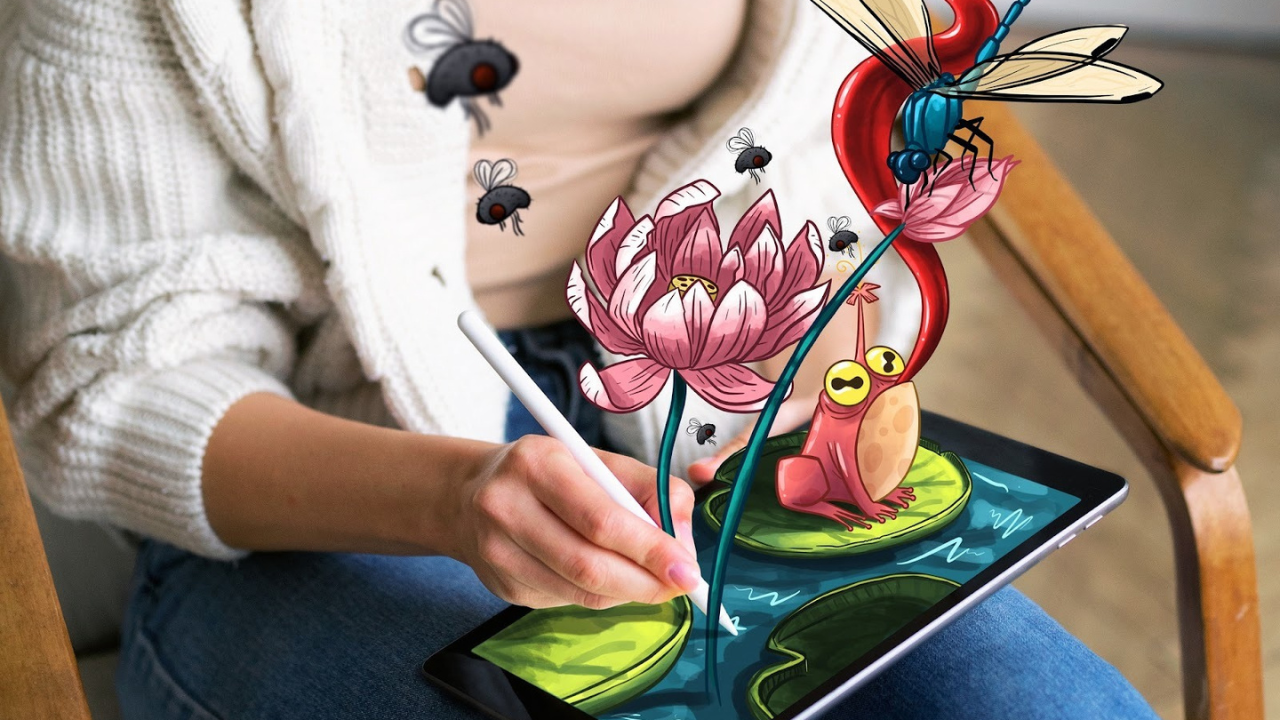
Concept art and visual ideation are foundational stages in design, shaping how products, environments, and stories take form. Traditionally, this phase required hours of sketching, reference gathering, and iterative revisions. Today, designers are accelerating that process with AI-powered tools that transform ideas into visuals in seconds.
Midjourney AI has emerged as one of the most influential tools in this shift. By converting text prompts into detailed, high-quality images, it enables designers to explore creative directions faster, test variations efficiently, and communicate ideas more clearly to clients and teams. This article explores how designers use Midjourney AI for concept art and visual ideation, and why it has become an essential part of modern creative workflows.
What is Midjourney AI and why does it matter for designers?
Midjourney AI is a text-to-image system that generates visuals based on descriptive prompts.
For designers, its value lies in speed and creative range. Instead of starting with a blank canvas, designers can generate multiple visual interpretations of an idea within minutes. Midjourney AI is known for enhanced photorealism, improved prompt accuracy, and emerging 3D-style capabilities, which makes it especially useful for early-stage ideation.
According to industry surveys, nearly 65 percent of creative professionals now use AI tools during concept development. The reason is simple: faster iteration leads to better ideas and more informed creative decisions.
How do designers use Midjourney AI during early ideation?
Designers use Midjourney AI to explore ideas before committing to a single direction.
In the early ideation phase, quantity matters more than polish. Designers often generate dozens of visual concepts to understand mood, color, form, and composition. Midjourney AI supports this process by allowing rapid experimentation without the time investment required for manual sketches or detailed renders.
For example, a product designer might generate multiple environments for a new device concept, while a game artist might explore character silhouettes and costume styles. This approach aligns with research from design thinking frameworks, which show that broader ideation increases the likelihood of strong final outcomes by up to 40 percent.
How does Midjourney AI support concept art creation?
Concept art focuses on visual storytelling rather than final execution.
Midjourney AI excels at producing cinematic lighting, expressive compositions, and stylistic variety, all of which are essential for concept art. Designers often use it to establish visual tone, explore world-building elements, or define character aesthetics.
Many professionals integrate midjourney free with invideo into their workflow to bridge static visuals with motion-based storytelling. This allows teams to present concept art not just as images, but as part of broader creative narratives, which is increasingly important in fields like entertainment, advertising, and digital media.
How do text prompts influence design outcomes?
The quality of prompts directly determines the quality of outputs.
Designers treat prompt writing as a creative skill. Effective prompts include subject details, emotional tone, environment, lighting style, and artistic references. For instance, specifying “soft ambient lighting” or “high-contrast cinematic scene” can dramatically change the result.
Studies on generative AI usage indicate that prompt refinement can improve output relevance by over 50 percent. Designers often iterate on prompts just as they would iterate on sketches, gradually narrowing toward visuals that best represent their creative intent.
How does Midjourney AI improve collaboration and communication?
Visual clarity improves collaboration across teams and stakeholders.
Concept art often serves as a communication tool rather than a final asset. Midjourney AI allows designers to quickly visualize abstract ideas, making it easier for non-design stakeholders to provide feedback. This reduces misalignment and shortens approval cycles.
In multidisciplinary teams, designers increasingly pair AI-generated visuals with motion tools like an ai video generator to present concepts dynamically. This approach helps marketing, product, and creative teams align earlier in the process, reducing costly revisions later.
How does Midjourney AI compare to traditional concept art methods?
Traditional concept art relies heavily on manual skill and time.
While hand-drawn sketches and digital painting remain valuable, they are time-intensive. A single detailed concept illustration can take several hours or even days. Midjourney AI can generate multiple high-quality concepts in under a minute, dramatically reducing ideation time.
From a cost perspective, studios report that AI-assisted workflows can reduce early-stage concept costs by 30 to 50 percent. Designers still refine and curate outputs, but the initial exploration phase becomes far more efficient.
What role does photorealism and 3D capability play?
Photorealism helps concepts feel tangible and believable.
Midjourney AI’s enhanced realism allows designers to test how ideas might look in real-world contexts. This is particularly valuable in architecture, product design, and advertising, where realism influences decision-making.
Emerging 3D-style depth and perspective also support spatial ideation. Designers can explore form, scale, and lighting relationships before moving into advanced modeling tools. This layered approach helps teams validate ideas earlier and avoid costly redesigns.
What are the limitations designers should be aware of?
AI-generated visuals are not final deliverables.
Midjourney AI does not replace foundational design skills or creative judgment. Outputs may include inconsistencies, unrealistic details, or stylistic artifacts that require human refinement. Designers must also ensure originality and ethical use, particularly when working in commercial contexts.
Successful designers treat Midjourney AI as a collaborative tool rather than an autonomous creator. According to creative industry research, teams that combine AI efficiency with human oversight achieve higher satisfaction and better long-term outcomes.
How are design teams integrating Midjourney AI into workflows?
AI integration is becoming structured rather than experimental.
Many teams now define clear stages where Midjourney AI is used, such as mood exploration, concept variation, or visual benchmarking. This prevents overreliance while maximizing value. Documentation, prompt libraries, and internal guidelines help standardize usage across teams.
As AI adoption grows, organizations that formalize these workflows report faster turnaround times and more consistent creative output.
Conclusion
Midjourney AI is reshaping how designers approach concept art and visual ideation. By transforming text prompts into compelling visuals within seconds, it allows creative professionals to explore ideas more freely, communicate more clearly, and iterate more efficiently.
While it does not replace human creativity, it amplifies it. Designers who combine strong conceptual thinking with AI-powered tools gain a competitive advantage in speed, clarity, and creative confidence. As visual demands continue to rise across industries, Midjourney AI is becoming less of an experiment and more of a standard part of the modern design toolkit.
Also Read: Zach Justice Height: Real Measurements, Biography, and Social Media Rise
About the Author



1 thought on “How Designers Use Midjourney AI for Concept Art and Visual Ideation”